From Reaction to Response: Mastering Emotional Regulation in Challenging Moments
In today’s fast-paced world, we often find ourselves in situations that test our emotional limits. Whether it’s a heated argument, a tight deadline, or an unexpected setback, our emotions can quickly get the better of us. However, it’s in these moments that we have a choice: we can react impulsively, or we can take a step back, breathe, and respond thoughtfully. In this blog post, we’ll explore the art of emotional regulation and how it can lead to personal growth and a more mindful response to life’s challenges.
Understanding Emotional Regulation
Emotional regulation refers to our ability to manage and modulate our emotional responses to different situations. It’s about being aware of our emotions, understanding what triggers them, and having the skills to respond in a way that’s constructive, rather than destructive. When we can regulate our emotions effectively, we’re better equipped to handle stress, build stronger relationships, and make more informed decisions.
The Difference Between Reaction and Response
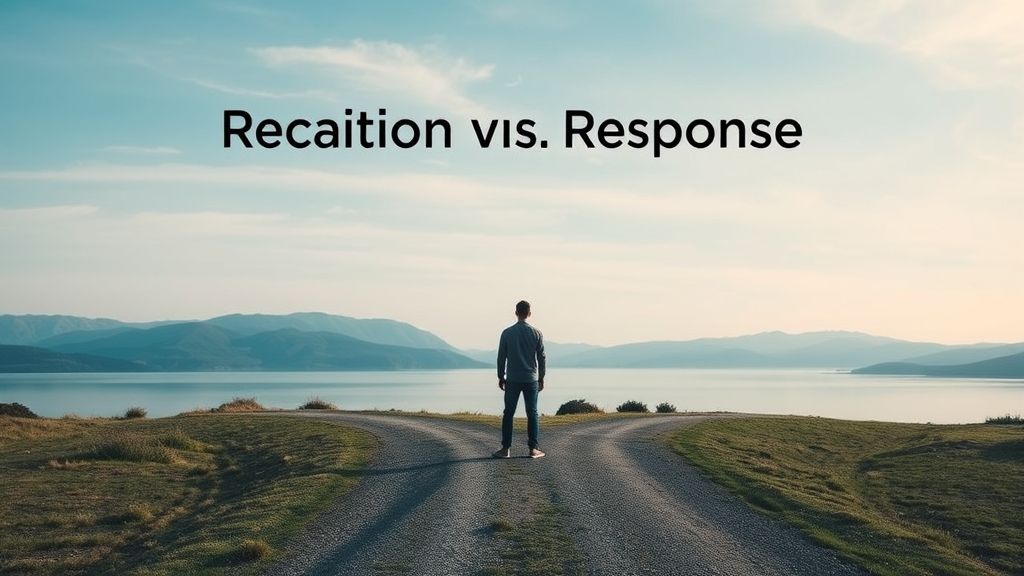
When we’re faced with a challenging situation, our initial instinct is often to react. We might lash out, become defensive, or shut down. However, reacting impulsively can lead to regret, damaged relationships, and a sense of being out of control. On the other hand, responding thoughtfully allows us to consider the situation, our emotions, and the potential consequences of our actions. By taking a moment to pause and reflect, we can choose a more constructive path forward.
Managing Emotions and Impulse Control
Managing our emotions and developing impulse control are critical components of emotional regulation. By becoming more aware of our emotional triggers and learning techniques such as mindfulness and deep breathing, we can better navigate challenging situations. This doesn’t mean suppressing our emotions, but rather understanding and working with them in a way that promotes personal growth and well-being.
Cultivating a Mindful Response
Cultivating a mindful response to challenging situations requires practice, patience, and self-awareness. By incorporating mindfulness techniques into our daily lives, such as meditation and journaling, we can become more attuned to our emotions and develop a greater sense of control. This, in turn, allows us to respond more thoughtfully, rather than simply reacting.
Conclusion
Mastering emotional regulation is a journey that requires effort, dedication, and a willingness to learn and grow. By understanding the difference between reaction and response, managing our emotions, and cultivating a mindful approach, we can navigate life’s challenges with greater ease and confidence. At Igniting Minds NPO, we’re committed to supporting individuals on this journey. We invite you to connect with us to learn more about our programs and resources, and to join our community of like-minded individuals dedicated to personal growth and positive change.